
Pass Over Us
“Pass Over Us” is the emotional centerpiece of the Passover sequence, a sacred solo carried entirely by Miriam as the Hebrew people wait through the night of the tenth plague. The number unfolds like an ancient prayer set to music, fragile yet unwavering, shaped by fear, faith, and the fierce love of a people guarding their children behind sealed doors. This moment freezes the musical in reverent stillness as Miriam becomes the spiritual heartbeat of Israel.
The song is orchestral and intimate. A solo violin leads with a trembling, candlelit motif, joined by soft cello and ambient drone. The music moves gently, as if afraid to disturb the darkness outside. Miriam’s voice must feel timeless, pure, and deeply emotional. Each line is delivered with maternal strength and quiet authority, as though she is singing protection over every home. Her tone should carry echoes of ancient Jewish lament and contemporary sacred balladry, blending into a sound that feels both old as the Exodus story and fresh as breath.
The refrain “Pass over us” returns throughout the piece like a mantra of survival. It must land with increasing weight each time, reflecting the rising tension as the night deepens. Miriam does not plead. She steadies. She sings as someone holding a fragile people together. Her melody guides them through fear toward dawn.
If used, the chorus ensemble enters only as a whisper behind her, chantlike and minimal, representing families huddled behind their doorposts. Their harmonies should feel like distant echoes of community rather than a full chorus. They breathe with her more than they sing.
The song ends in silence. No applause, no movement, only the hovering stillness of a people waiting for morning to prove they have survived. “Pass Over Us” is not just a song. It is a ritual of remembrance, an ancient cry for covering and mercy, and a moment of fragile hope in the darkest night of the musical.
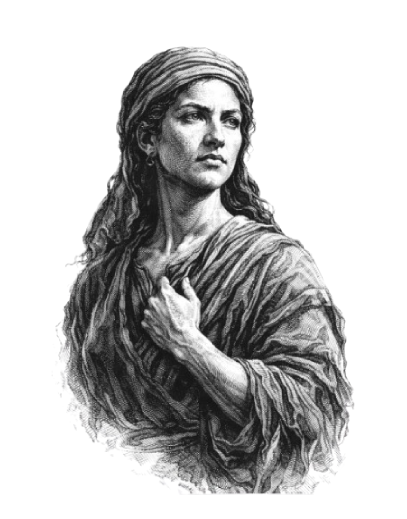
MIRIAM – Female mezzo-soprano or soprano (Lead Vocal)
Vocal tone: soulful, pure, reverent. Miriam carries the complete vocal arc of the song. Her voice must sound ancient and intimate, as if she is singing over every Hebrew household during the night of judgment. She leads with maternal strength and spiritual authority, yet her tone remains fragile enough to reveal the fear in the room. Her phrasing should be lyrical and breath-controlled, with gentle vibrato and emotional clarity. This is her moment as the spiritual guardian of Israel, singing protection into the silence while the angel passes through the land. She must sound like a woman holding a nation together with nothing but her voice and faith.
OPTIONAL CHORUS ENSEMBLE – Mixed voices (Soft, minimal harmony only)
Vocal tone: whispered, chant-like, atmospheric.
If used, the ensemble should never overpower Miriam. They enter only in faint echoes or sustained tones behind her refrains, representing the quiet presence of families gathered behind sealed doors. Their sound must feel like a breath of community rather than a formal choir. No strong harmonies, no volume swell, only supportive threads of sound that flicker like candlelight. They create the sense that Miriam’s solo is not isolated, but surrounded by the hidden hope of her people.
ORCHESTRAL TEXTURE – Instrumental presence
While not singers, the solo violin, soft cello, and ambient drone function as emotional partners to Miriam’s voice. Their sound shapes the atmosphere of the night, guiding her through the verses with tenderness, sorrow, and restrained tension.
“Pass Over Us” Musical Style & Direction
Vocal tone: rhythmic, fierce, unified.
They open the song with the warning chant and carry the recurring motif “Let my people go.” Their role is prophetic and relentless. They clap, stomp, and chant in layered rhythms. Their sound becomes a spiritual tide pushing against Pharaoh’s resistance. They serve as the divine echo behind Moses.
EGYPTIAN ENSEMBLE – Mixed voices (Reaction Chorus / Suffering Chorus)
“Pass Over Us” is a sacred, intimate piece built on quiet orchestral textures and a single human voice carrying the weight of a nation’s fear and faith. The musical style is minimalistic, reverent, and ancient in tone. Every measure should feel like a prayer whispered into the darkness while danger moves outside unseen.
The arrangement begins with a solo violin playing a trembling, candlelike motif. A soft cello enters beneath it, creating a fragile foundation that supports Miriam without overwhelming her. An ambient drone should hover gently, providing a sense of stillness, breath, and night air. The overall sound must feel suspended in time.
Miriam leads with pure, lyrical phrasing. Her voice should be emotionally controlled but deeply expressive. Vibrato remains gentle. Dynamics rise and fall with the text rather than with theatrical flourish. Her delivery should reflect the quiet courage of someone singing protection over her people. She is not performing. She is covering, calming, praying.
If used, the chorus ensemble appears only at a whisper. Their harmonies must be minimal, chant-like, and breath-led. They fade in like the presence of families gathered behind closed doors, soft enough that they never distract from Miriam’s line. Their role is to expand the feeling of communal faith, not to add volume or complexity.
The refrains must feel like mantras. The repeated line “Pass over us” should deepen in emotional resonance each time, not by becoming louder, but by expanding in stillness. This phrase is the heart of the piece and should be shaped with meditative pacing and sacred breath.
Instrumentation stays minimal throughout. The violin may rise gently above Miriam in moments of tension, while the cello carries the low emotional weight of the night. No percussion, no sharp textures, and no rhythmic drive. Everything must move slowly and deliberately, like candlelight flickering in the shadows.
The song ends with complete stillness. The final violin phrase should fade into silence so that the audience feels the fragile hope of a people waiting for dawn. There is no applause within the world of the scene.
Only breath, quiet, and the knowledge that the night is not yet over.
[INTRO]
[(A single violin enters with a trembling, candlelike motif. A soft cello joins beneath it, creating a warm but fragile foundation. An ambient drone breathes gently, as if the night itself exhales. Lights glow dimly in shades of blue and gold, like moon over sealed doorposts.)]
[MIRIAM:]
Brush the frame
Of every door
Mark the wood
Then speak no more
Hide the flame
Seal the sound
Lay the child
To holy ground
[REFRAIN 1]
[(Strings swell only slightly. Miriam sings as though covering the whole people with her voice. Ensemble, if used, hums faintly behind her like families praying behind closed doors.)]
Pass over us
Pass over us
Let the night
Not swallow trust
[VERSE 2]
[(Soft pizzicato touches or low cello pulses mark the urgency of preparation. Miriam’s tone remains gentle but firm, guiding frightened families.)]
Bake the bread Eat it fast
Tie your cloak
The time won’t last
Do not cry
Do not roam
Keep your feet
Inside your home
[REFRAIN 2]
[(Whisper-light harmonies may drift in, like distant voices carried through the night. The violin climbs slightly, adding tension while keeping reverence intact.)]
Pass over us
Pass over us
Let the fire
Not find the just
[VERSE 3]
[(Lighting warms to a faint gold, as if divine presence rests over the homes. Miriam’s voice gains quiet emotional depth, not volume.)]
I have prayed
With eyes half-closed
I have wept
For what He knows
We are frail
But we obey
Let His word
Be light today
[FINAL REFRAIN]
[(The refrain becomes the spiritual peak. The ensemble, if included, adds soft, breathy harmony. Strings widen, but remain tender. Miriam sings as if releasing the people into the hands of God.)]
Pass over us
Pass over us
Hold this house In sacred hush
Pass over us
Pass over us
Guide us into
Morning’s rush
[OUTRO]
[(The music dissolves into absolute stillness. The final violin note fades like a candle’s last flicker. Lights dim to a soft ember. No applause. Only breath and reverent silence remain.)]