
Desert of Doubt
“Desert of Doubt” is the panic anthem of the Red Sea standoff. It erupts immediately after the Israelites realize they are trapped between Pharaoh’s approaching army and the unbroken wall of water ahead. Moses is absent. Miriam and Aaron must steady a nation on the verge of collapse while the Ensemble becomes the voice of fear, anger, confusion, and raw human desperation. This is the sound of faith cracking under pressure, then fighting to find its footing.
The musical world blends atmospheric orchestration with percussive rap flow. The number begins with ambient wind, dissonant strings, and staggered breath textures that mimic hyperventilation spreading through the crowd. Distant hoofbeats pulse beneath the soundscape. Rhythm enters unevenly, like a heartbeat trying to outrun terror. The entire opening should feel unstable, almost shaking, as if the ground is panicking with the people.
Vocally, the piece is a controlled explosion. Miriam’s lines are chant-like and anchored in rhythmic steadiness, her tone firm and mother-like. She sings with measured intention, trying to gather the community into spiritual coherence. Aaron provides melodic legato lines that soothe and counterbalance the Ensemble’s rising fury. His role is to keep the melody human. The Ensemble breaks into layered rap sequences, chant fragments, overlapping verses, and shouted interjections. Their lines must clash, interrupt, collide, and circle each other to reflect the emotional chaos of a people trapped with nowhere to run.
Rap sections require dense rhyme, prophetic sarcasm, and contemporary cadence. The Israelites blame Moses, blame each other, blame God, and fall apart in real time. Their verses should feel painfully modern, blending biblical imagery with raw street clarity. Panic should shape the rhythm. Every cadence should feel like someone trying not to drown inside their own lungs.
Musically, the number pulls from Afro-rhythmic chant, Hebrew lament, and cinematic pulse. Think of the relentless layering of “Yorktown,” the emotional cry of “Deliver Us,” the atmospheric descent of “Wait for Me,” and the survival urgency of Marshall Mathers’ flow. Strings provide an undercurrent of dread. Percussion grows sharper each time the Ensemble shifts blame or fear. Every added texture must tighten the pressure around the people until Miriam and Aaron force a moment of stillness with their duet.
The piece ends unresolved. There is no triumph. No release. Only wind, fear, and the unanswered question of whether deliverance is still possible. The final chant collapses into breath as the music hangs in tension. Moses enters the silence in the next number, “Lift the Staff,” answering the terror that fills this scene.
“Desert of Doubt” must feel like the breaking point of human faith. It is the moment before the miracle, when fear speaks loudest and heaven feels farthest away.
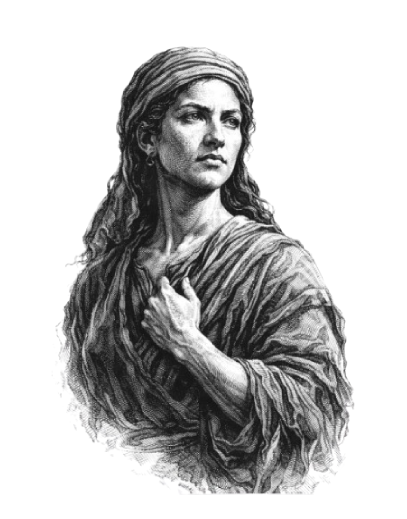
MIRIAMMIRIAM – Female alto (Rhythmic Leader, Spiritual Anchor) Vocal tone: firm, resonant, steady.
Vocal tone: firm, resonant, steady. Miriam carries the prophetic backbone of the piece. Her voice cuts through panic with chant-like clarity, guiding the people back toward faith even as the world collapses around them. She sings with rhythmic control rather than vocal fireworks. Her tone must feel ancient, grounded, and mother-like, steadying the ensemble each time they fracture into fear. She leads the emotional spine of the number.
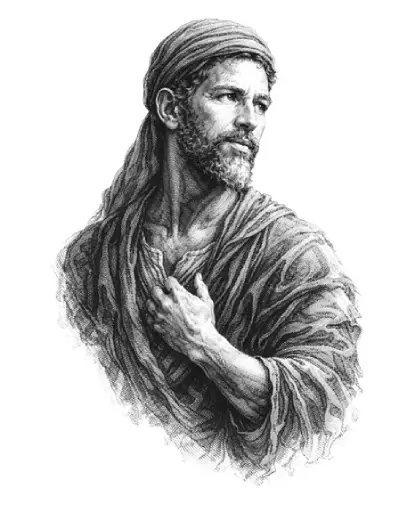
AARON – Male tenor (Melodic Counterweight, Calming Voice)
Vocal tone: empathetic, lyrical, calming. Aaron provides melodic lines that soften the edges of chaos. His smooth legato phrases provide breath and humanity in the middle of the ensemble’s panic. He often answers Miriam’s rhythmic declarations with melodic reassurance. His voice must sound compassionate, heartfelt, and stabilizing, the thread holding the people together as fear threatens to tear them apart.
CHORUS ENSEMBLE – Mixed voices (Fear, Anger, Rap Cadence, Chant)
Vocal tone: fragmented, panicked, layered, clashing.
The Ensemble represents the mind of Israel under extreme duress. They chant in polyrhythms, rap in overlapping bursts, shout accusations, and sing in fragments. Their voices should sound varied, real, angry, poetic, and terrified. They embody panic physically and vocally. Their rap cadence must be dense and emotional, with sarcasm, biblical language, and raw complaint. They are the heartbeat of fear and doubt.
ISRAELITE SOLO VOICES – Male and female (Fear Verses and Rap Lines)
Vocal tone: distressed, sharp, unfiltered.
Several soloists break out from the Ensemble to deliver specific verses and rap lines. Their roles include the man who blames Moses, the woman confronting freedom’s cost, the elder mourning the past, and the rapper comparing slavery to this new uncertainty. These voices should sound individual, not blended, representing the splintering of community under pressure.
MIRIAM AND AARON – Duet (Moment of Spiritual Resistance)
Vocal tone: unified, intimate, rising.
Their duet is the emotional pivot of the song. Together they calm the crowd with harmony and shared conviction. Their voices must merge in a way that feels like faith pushing back against panic.
NO MOSES IN THIS NUMBER
His absence is intentional and essential. The people fall into chaos because he is not present. His arrival in the next song becomes the dramatic answer to their terror.
“Desert Of Doubt” Musical Style & Direction
“Desert of Doubt” is an atmospheric panic anthem that blends orchestral dread with percussive hip-hop cadence. The musical world should feel unstable, like the ground itself is trembling under the weight of fear. Nothing in this number is settled. Nothing resolves. It is the sound of a people trapped between water and war, between faith and terror, between everything they fled and everything they hope for.
The piece begins in near silence. Ambient wind sweeps through the stage. Dissonant strings hover just above the breath of the Ensemble, creating a sonic texture that feels like a cold desert night tightening around the people. Distant hoofbeats fade in and out, reminding the audience that Pharaoh’s army is coming. The rhythm begins unevenly, using staggered breaths, snapping consonants, and shaky pulses that mimic rising panic.
Miriam’s voice enters with rhythmic authority. Her lines land like steady drumbeats, cutting through the chaos with grounded, chant-like phrasing. She does not soar. She anchors. Her delivery should sound ancient and fierce, the voice of someone holding a collapsing community together.
Aaron counters her with smooth, melodic lines. Where Miriam divides the panic, Aaron soothes it. His phrasing should feel warm and empathetic, like a hand on the shoulder in the middle of a storm. Together, they create a musical duality that shapes the spiritual spine of the number.
The Ensemble embodies chaos. Their sections are built from layered rap rhythms, scattered chants, fragmented accusations, and polyrhythmic overlaps. They interrupt each other. They collide. They scatter and then reform. Their voices should feel like the collective mind of Israel unraveling under pressure. Rhyme density, rapid cadences, and shouted lines must create a sense of emotional stampede.
Musically, the score moves between atmospheric suspension and rhythmic pressure. Dissonant strings, deep drones, and shaky highregister textures underscore the Ensemble’s fear. Afro-rhythmic percussion and hip-hop beats push phrases forward with urgency. The transitions between sung lines and rap-driven lines should feel seamless, as if fear itself dictates the meter.
The song must sound like it is always on the edge of collapsing. Percussion never locks into a comforting groove. Strings never settle into a clean resolution. Even harmonies in the Ensemble should feel tense, quivering with uncertainty. The bridge, where Miriam and Aaron join in a brief moment of harmony, should feel like a breath of hope in a suffocating room.
The final chant dissolves rather than resolves. The music fades into an unresolved drone. Wind returns. The Red Sea glimmers in the distance but offers no answer yet. The silence that follows must feel heavy and uneasy, setting the stage for Moses’s entrance in the next number.
“Desert of Doubt” is the sound of faith cracking under pressure and the world holding its breath just before the miracle.
[Begin with ambient wind swirling across the desert floor. FX: distant hoofbeats fading in and out, dissonant strings trembling softly like nerves under strain. Low pulses in the bass suggest the approaching army, but never fully land. Ensemble breath FX create a sense of panic beginning to spread.]
[CHORUS ENSEMBLE:]
[(spoken-sung in clipped, rhythmic unison)]
No boats
No blades
No hope
No shade
No way
No guide
No fire
No pride
[ISRAELITE 1:
[(male voice, raw, accusatory)]
Were there no graves in Egypt?
You brought us out to die?
Was slavery too simple?
Was silence not enough to justify?
[ISRAELITE 2:]
[(female voice, shaking but sharp)]
We walked with blood
We ran with ghosts
Now we’re trapped
Between sea and hosts
I see the sea How could it split?
I see this ocean I see this pit
[ISRAELITE 4:]
[(male voice, dark resignation)]
You call this faith I call it death
At least in chains
We still had breath
[MIRIAM:]
[(firm, rhythmic cadence over minimal percussion)]
Still your tongue
Restrain your cries
Did you not see God is our guide?
[AARON:]
[(gentle melodic line over soft strings)]
Did you not eat From dust made bread?
Did you forget We are freed and fed?
[MIRIAM:]
[(more forceful, subtle drum hits enter)]
You were not led
To be destroyed
You won’t be lost
Into this void
[AARON:]
[(supportive melodic rise, ensemble breath steadies slightly)]
Hold the ground Lift your eyes
Faith walks first
Then comes the skies
[ISRAELITE 2:]
[(female voice, voice cracking, fear peaking)]
Why did you bring us here?
To bury us in heat?
To drown us in your dream? Our freedom incomplete?
[ISRAELITE 5:]
[(rap over tense syncopated bass hits)]
You saw a bush / we saw a whip
You called it fire / we took this trip
You said “Be free” / we took that leap
But now the sea’s too dark, too deep
[ISRAELITE 2:]
[(female voice, rapid, frantic)]
Was this your plan?
To make us flee?
To break us more To make us bleed?
[AARON:]
[(calming presence, legato phrasing against choppy ensemble rhythms)]
He doesn’t call
To turn away
He doesn’t burn
Then let you fray
[CHORUS ENSEMBLE:]
[(unison chant, rising from panic into shaky resolve):]
We are not alone
Though storms delay
We do not drown
In yesterday
[CHORUS ENSEMBLE:]
[(building to harmony, rhythmic layering increases tension):]
We want walls
We want light
We want vision In this night
We want signs
We want steel
We want freedom
We can feel
[MIRIAM:]
[(sung, warm, tremolo strings under her voice)]
I cannot part the sea with sound
But I believe
Where fear is found
That God still walks
That God still reigns Even here
With trembling veins
[MIRIAM + AARON:]
[(duet, harmonies tight but fragile; FX: wind rises slightly behind them)]
So, if you break
Break on your knees
And if you cry
Cry out and see
[CHORUS ENSEMBLE:]
[(final chant, percussion muted except for heartbeat-like thud)]
Desert of doubt
Desert of flame
Desert of silence
Desert of blame
Desert of doubt
Desert of breath
Desert of waiting
Desert of death
Desert of doubt