
Miriam
Miriam is the heartbeat of this musical. She is the rhythmic spine of her people, the steady pulse beneath their fear, and the prophetic voice that rises when silence has gone on too long. Though Scripture gives only brief glimpses of her, this musical expands her into the full force she must have been: a woman shaped by suffering, sharpened by courage, and destined to lead long before anyone recognized her authority.
Miriam is one of the first characters to act in faith. As a young girl, she stands watch over her infant brother drifting in the Nile, showing a bravery far beyond her years. That early courage becomes the foundation of the woman she becomes. Long before Moses speaks, Miriam sees. Long before Aaron explains, Miriam understands. Her intuition is spiritual. Her wisdom is ancestral. Her courage is contagious.
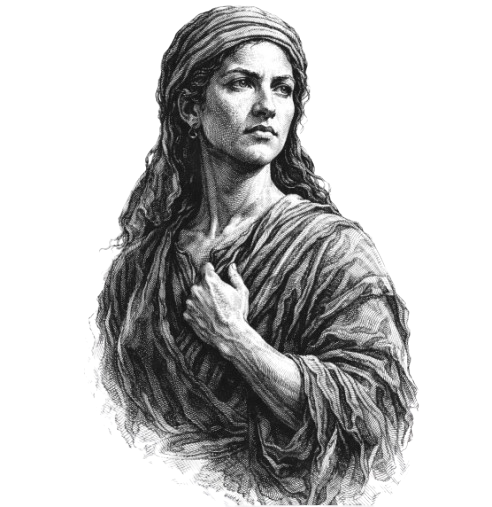
Her presence in the musical is expressed through rhythm. She chants before she sings. She speaks truth in meter. Her movement is grounded, intentional, and fiercely embodied. Her cadence holds the community together when fear threatens to scatter them. Miriam’s voice is not ornamental. It is elemental. When she enters a scene, the atmosphere shifts. The Ensemble listens. The earth seems to listen too.
Emotionally, Miriam carries generational pain. She has watched her people break under the weight of empire. She has heard the cries of mothers whose sons were taken. She has felt the humiliation of being counted as less. Yet her spirit does not collapse. Instead, she becomes a vessel for communal resilience. Her strength is not loud. It is enduring. It is carved from memory.
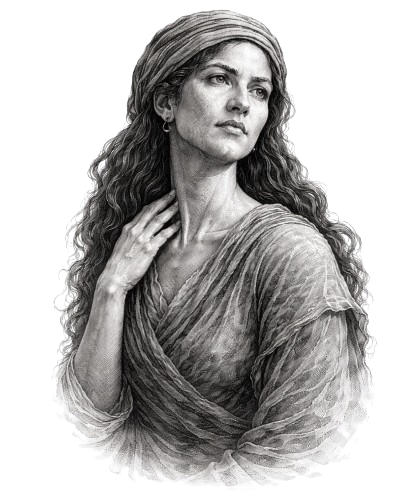
During the Exodus, Miriam emerges as the first true worship leader of Israel. Her understanding of praise is not naive celebration. It is survival. It is defiance. It is declaration. Her music rises from ashes. Her dance is born from wounds. When the Red Sea closes over Pharaoh’s army, Miriam is the first to lift her tambourine. She is the one who understands that celebration is a form of faith, and faith is a form of resistance.
Dramatically, Miriam represents the emotional wisdom that balances Moses’s internal turmoil and Aaron’s quieter empathy. She confronts Moses when he wavers. She consoles the people when they fear. She calls truth out of hiding. She names what is happening long before others can articulate it. She is both sister to Moses and mother to a nation.
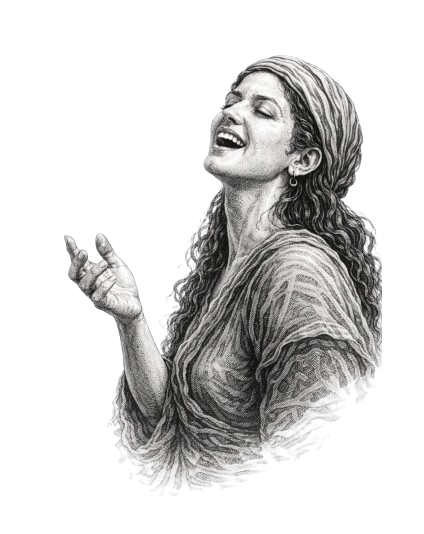
Vocally, Miriam is an alto with a sound that blends grit and grace. Her tone carries history. Her lines often sit low in the register, symbolizing weight, earth, and grounded authority. When she ascends into higher notes, it is intentional, signaling spiritual breakthrough or prophetic announcement. Her songs lead the people in united movement, and her spoken word moments deliver some of the musical’s most important truths.
Symbolically, Miriam is water. She is the watcher of the Nile, the singer by the sea, the voice that flows through the cracks of despair. Water nourishes. Water remembers. Water destroys what enslaves. Water reveals new paths. Miriam embodies this duality. She comforts and confronts. She soothes and awakens. She reflects and reshapes.
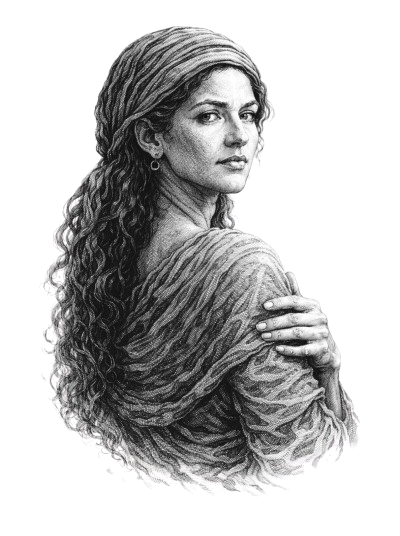
In many ways, Miriam is the nation’s first echo of freedom. She feels the promise before it becomes visible. She carries faith even when the world refuses to shift. Her leadership is not positional. It is spiritual. When she speaks, Israel remembers who they are. When she sings, they remember why they march. When she dances, they remember that joy is not fragile. It is a weapon.
Miriam stands as one of the most powerful voices in this musical because she stands as one of the most powerful voices in Scripture: a woman whose courage helped birth a nation, whose rhythm carried them through suffering, and whose song marked the moment when history changed.
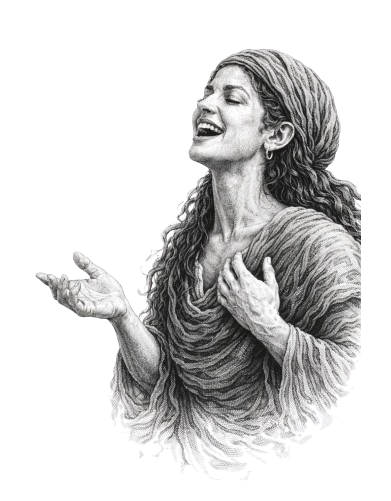
She is not a supporting character. She is a foundational one. The people rise, in part, because Miriam teaches them how.