Moses

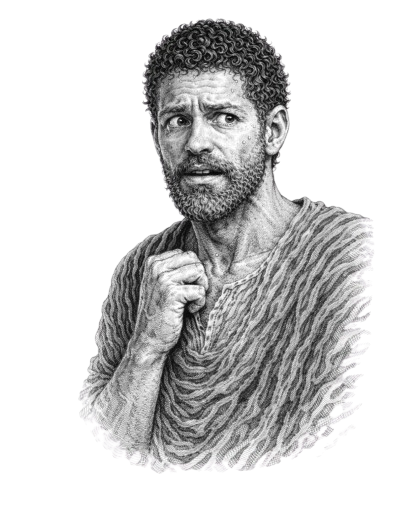
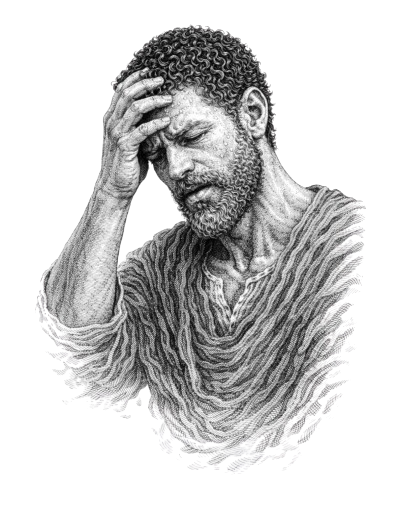
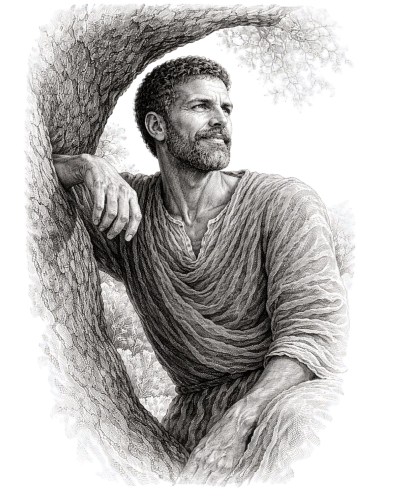
Moses is the central figure of this story, a man shaped by contradiction, fracture, longing, and destiny. His life begins in crisis and unfolds in tension. Born a Hebrew, raised an Egyptian, claimed by neither, Moses grows in the shadow of an empire built upon the suffering of his own people. His identity forms in the margins. He is both prince and outsider, privileged and powerless, chosen and uncertain. This divided beginning becomes the emotional foundation of his journey.

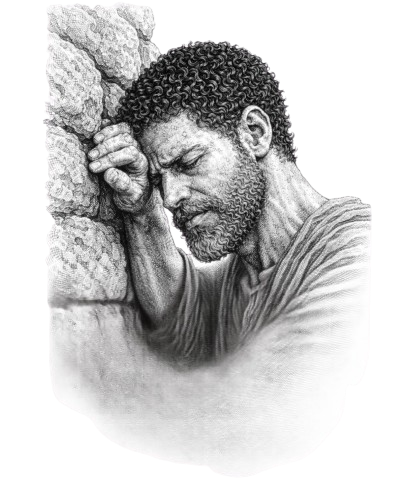
Moses is not portrayed as a polished hero or a flawless leader. His strength emerges from his wounds. He carries the trauma of displacement, the weight of violent mistakes, and the burden of a calling he never sought. His stutter, his self-doubt, and his anger humanize him.They make him relatable. He is a man constantly.
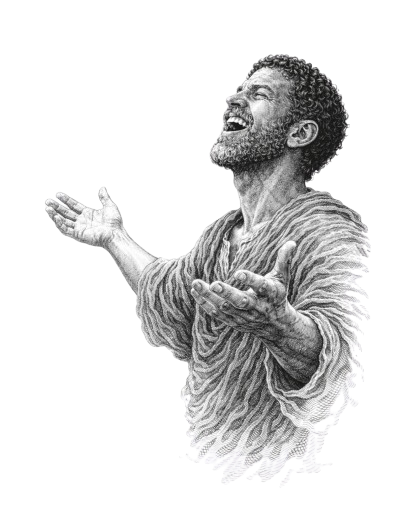
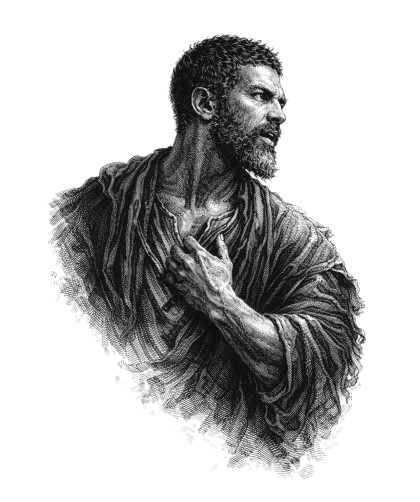
Musically, Moses moves between soulful melody and rhythmic spoken word. His voice reflects his internal divide. His sung lines are expressive, aching, and contemplative. His rap-driven sections reveal clarity, urgency, and revelation. He speaks his truth in rhythm because rhythm grounds him. It is where he finds conviction. His musical language evolves as he does, gaining strength as he steps deeper into his calling.

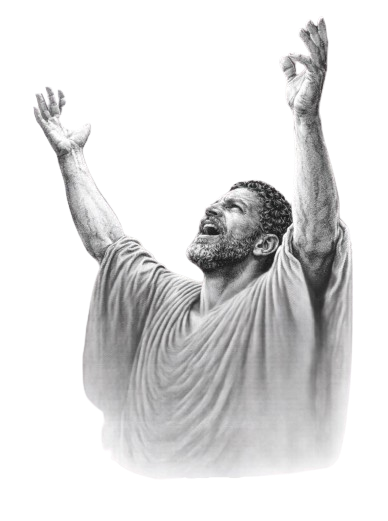
Spiritually, Moses is the figure who meets God not in power, but invulnerability. The burning bush scene is the turning point of his soul. It is the moment where his excuses, fears, and failures collapse before a divine voice that sounds like his own. He realizes that leadership is not about confidence, but surrender. It is not about eloquence, but obedience. It is not about perfection, but willingness.

Dramatically, Moses is the axis around which the emotional arc of the musical turns. His return to Egypt is not a triumph, but a reckoning. He must face the land that formed him, the family he left behind, and the empire he once benefited from. His confrontation with Pharaoh is not only political, but deeply personal. He is confronting a brother of the palace, a mirror of what he might have been had his life taken a different turn.


As Moses grows, the audience sees him shift from reluctant responder to prophetic voice. His posture changes. His breath changes. His rhythm
changes. He becomes a leader not because he wants power, but because
he carries the pain of his people and the promise of God in equal measure.

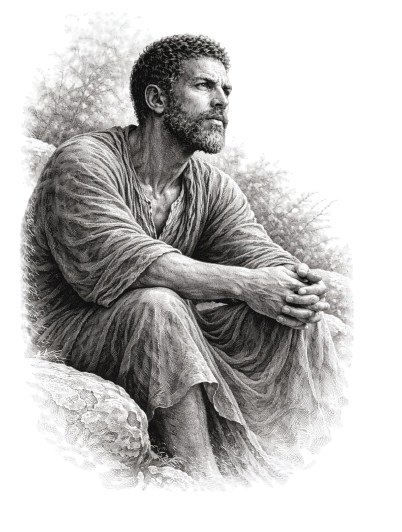
By the time he stands at the edge of the Red Sea, Moses is no longer the fractured prince of Egypt. He is the embodiment of a nation’s hope. He lifts his staff not as a symbol of dominance, but as a declaration of trust. In him, the audience sees what deliverance requires: courage born from weakness, faith born from fear, and leadership born from surrender.

Moses represents every person who has ever questioned their worth, wrestled with calling, returned to the place of their deepest pain, or
chosen faith over certainty. His journey is not just the story of a leader.
It is the story of becoming. It is the story of healing. It is the story of a man who rises because God meets him where he is and refuses to leave  him there.
In this musical, Moses is a flawed and beautiful reminder that deliverance
often begins with a single trembling yes.