Sea of Teeth

“Sea of Teeth” is a violent, militaristic chase anthem sung entirely from the perspective of Pharaoh’s army as they charge to the Red Sea and then through its parted walls in full pursuit of the Israelites. This song is fueled by vengeance. Egypt has lost its firstborn sons, and the soldiers believe Israel is to blame. In their grief and rage, they see themselves as the righteous ones, betrayed by a people they once sheltered. The number captures their conviction that justice is on their side and that the gods of Egypt will avenge their dead.

The piece begins with the thunder of chariots and the unified war chants of men who believe they serve a holy purpose. Their repeated cry of “Sea of Teeth” is initially a battle prayer, a call for the Red Sea to swallow the Israelites whole. The Egyptians invoke their gods, celebrate their strength, and ride with absolute certainty that the parted waters will serve them as a weapon of divine judgment.

Once they enter the corridor between the towering walls of water, the tone shifts. What begins as confidence becomes unease. The soldiers notice the water breathing, the walls leaning, the shadows inside the depths moving in ways that cannot be explained. The men who felt chosen now feel watched. The chants begin to fracture. The rhythms break. Fear enters their voices as the miracle they expected to destroy their enemy begins to turn against them.

The sea itself becomes a character in this song. Its rumbling grows louder. The walls vibrate like the ribs of a living creature. The music destabilizes as the army’s formation collapses. The hook “Sea of Teeth,” once shouted with triumph, returns as a terrified scream. The soldiers realize too late that the jaws they invoked for vengeance have opened for them instead.

The song ends in chaos as wheels skid, hooves panic, and the soldiers cry out for their gods to save them. Their final chant is cut off mid-phrase by the violent crash of the Red Sea closing, swallowing Pharaoh’s army in an instant. This abrupt end leaves no breath, no closure, no victory.

Only judgment.

“Sea of Teeth” serves as the dark mirror of “Walls of Water.” Where Israel walked through the sea in trembling faith, Egypt charges through it in furious pride. This number reveals the collapse of a kingdom that believed itself invincible and shows the audience that deliverance and destruction often pass through the same waters.

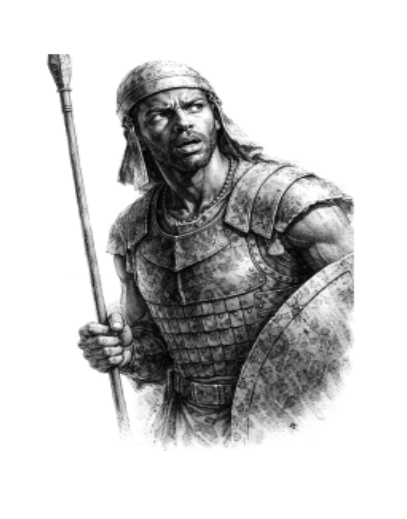
EGYPTIAN SOLDIERS – Male ensemble

Vocal tone: harsh, rhythmic, forceful. The soldiers are the driving voice of the number. Their sound is grounded in unified war chants and sharp, percussive phrasing that mimic the cadence of galloping chariots. They sing and shout with righteous fury, convinced that they serve justice for their slain sons. Their voices begin in disciplined unison, fueled by vengeance and devotion to their gods, but as the sea’s behavior becomes unnatural, their sound fractures. Lines break. Harmonies bend. The once unstoppable force becomes a chorus of fear as judgment turns against them.

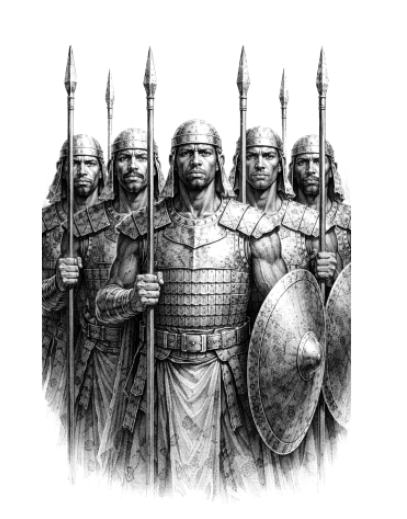
PHARAOH’S GUARDS – Bass ensemble

Vocal tone: deep, resonant, militaristic. These elite warriors anchor the lower register of the piece. Their chants carry the weight of empire and the authority of Pharaoh. They provide the thunder beneath the soldiers’ voices, striking like shields and spears in sound. Their tone embodies the pride and power of Egypt. As the song unravels, their voices are the first to lose stability, revealing the cracks in the empire’s confidence. Their deep chants become broken gasps, signaling the collapse of the army’s resolve.

THE SEA – Nonhuman vocal texture (ensemble FX)

Vocal tone: rumbling, whispering, predatory.

Though not a singer in the traditional sense, the sea functions as a vocal presence in this song. Low growls, breathy whispers, deep drones, and distorted harmonics create the sensation of a living creature responding to the chase. These sounds build tension and foreshadow doom. As fear overtakes the soldiers, the sea’s sonic presence grows louder and more dominant, eventually swallowing the human voices entirely. The sea’s “voice” becomes the final performer in the number, closing the song with a violent crash that ends the army’s pursuit.

“Sea of Teeth” Musical Style & Direction

“Sea of Teeth” is a militaristic, cinematic chase anthem built on the relentless cadence of Egyptian chariots charging to and through the parted Red Sea. The musical language is percussive, tribal, orchestral, and deeply physical. Every measure should feel like iron wheels striking stone, hooves beating sand, and spears cutting wind. The piece begins with the disciplined unity of a kingdom convinced of its righteousness. The loss of Egypt’s firstborn fuels the music with grief-shaped fury, producing a sound that is both ritualistic and violent.

Instrumentation centers on pounding war drums, rattling wheel rhythms, metallic spear strikes, shield hits, and low brass motifs that echo the weight of empire. Atmospheric strings and pulsing drones create a sense of vast space inside the parted sea. Water FX rumble beneath the score, giving the impression that the corridor is alive. As the soldiers enter the miracle, the orchestration shifts. What was once a triumphant battle charge becomes a distorted, unstable landscape of sound. Rhythms falter, harmonies warp, and the sea begins to answer their chants with its own growls and whispers.

Vocally, the number is driven by ensemble chants that reflect the structure and discipline of a trained army. Phrases are short, forceful, and tightly synchronized, mimicking the clipped commands of war. The soldiers chant with righteous indignation, invoking the gods of Egypt to avenge the deaths of their sons. Their tone is sharp and metallic, carrying the conviction of men who believe justice belongs to them. Pharaoh’s Guards anchor the lower register with deep, resonant calls that evoke ancient war hymns and ritual oaths. Their sound gives the song its weight and authority.

As the chase progresses, the vocal quality breaks down. Voices slip out of alignment. Chants lose their stability. Soldiers shout over one another as fear infiltrates their confidence. Fractured harmonies and gasping breaths signal the unraveling of the army’s unity. The sea’s presence becomes increasingly vocal as well. Through low drones, whispered textures, and dissonant swells, the sea begins to overpower the human voices, asserting itself as the true force in the scene.

Choreographically, the movement should evoke a cavalry charge evolving into chaos. Early patterns are rigid, geometric, and sharp, emphasizing the order of Egyptian military power. Once inside the corridor, formations should destabilize as wheels skid, reins jerk, and chariots lose footing on the trembling ground. The water walls should appear to react to the movement, closing in visually and sonically. Performers must use their bodies to convey speed, impact, and mounting terror, allowing the chase to feel immediate and suffocating.

The climax occurs when the sea overtakes the soldiers. The rhythm collapses entirely, swallowed by a massive wall of sound. The final musical moment should be abrupt and violent, cutting off mid-phrase as the Red Sea crashes shut. Silence follows. No chord resolves. No rhythm continues. The void left behind becomes the doorway into the next scene, where Pharaoh stands alone in the aftermath of judgment.

“Sea of Teeth” must feel dangerous, primal, and inevitable. It is the sound of vengeance ignited, pride unrestrained, and divine justice closing in. The audience should feel the momentum of the chase in their chest and the terror of the collapse in their breath. This number is not merely a battle cry. It is the fall of an empire rendered in sound.