
The Song of Moses
“The Song of Moses” is the triumphant anthem of a people who have witnessed the impossible. The Israelites have crossed through the Red Sea. The waters have collapsed behind them. Pharaoh’s army has vanished beneath the depths. For the first time in their lives, they stand on solid ground with no chains, no masters, and no fear. This song is their collective exhale. It is awe turning into praise, and praise turning into identity.
The piece begins intimately. Moses stands alone, the wind stilled, the sea settling behind him. A single piano and soft strings lay a foundation of reverent quiet. Moses sings with a tone filled with wonder, as if describing a miracle he has not yet fully absorbed. His opening lines must feel personal, reflective, and almost fragile, as though he is offering the first prayer of a newly freed nation.
The melody he sings becomes the seed of the entire anthem. As he moves through the first refrain, inspired directly by Exodus 15:1, the music widens. Strings warm. Pads bloom. The ground beneath the people seems to grow steady under the sound. With each verse Moses grows surer, his voice rising toward a gospel-soul fullness that carries conviction and gratitude in equal measure.
The ensemble joins gradually, first humming behind him like distant echoes of the miracle they have just survived. Then they step forward, surrounding Moses in soft harmony before finally giving their voices fully. The song shifts from solitary reverence into communal proclamation. Layered harmonies, call-and-response, and rhythmic claps build the chorus into a repeatable, soaring refrain that invites every voice onstage to participate.
The arrangement must feel like an anthem that grows with every breath. Cinematic strings expand. Gospel choir harmonies deepen. Percussive drive increases just enough to lift the people into movement. With each refrain the music becomes stronger, bolder, and more certain. This is not just recounting what God did. It is Israel declaring who God is.
The bridge functions as a celebratory call-and-response between Moses and the people. Each question Moses asks is a reminder of what they have witnessed: Who makes a way? Who breaks the sword? Who lifts the slave? The chorus answers with unified force, naming the God who saved them. This moment must feel like the emotional and spiritual center of the anthem, the turning point where gratitude becomes identity.
The final chorus rises into full victory. It must sound like a nation singing for the first time. The vocal arrangement should wrap Moses in layered harmonies that lift the refrain to its highest point. This is the sound of freedom learned, sung, and lived.
The song ends with a gentle, reverent coda. Moses returns to a quiet, near-whispered line that acknowledges the eternal reign of the One who brought them through the sea. It is a final bow to the miracle before the celebration explodes into movement and dance in the next scene.
“The Song of Moses” must feel like a nation being born with music on its lips. It is the anthem of deliverance.
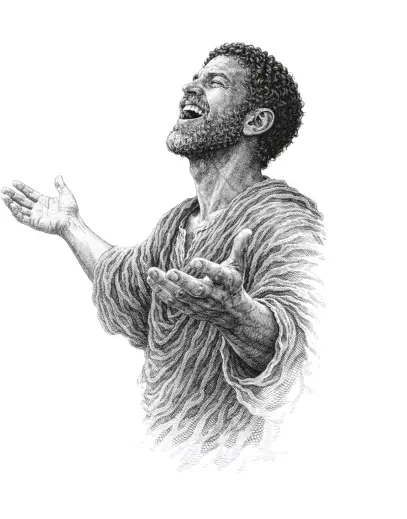
MOSES
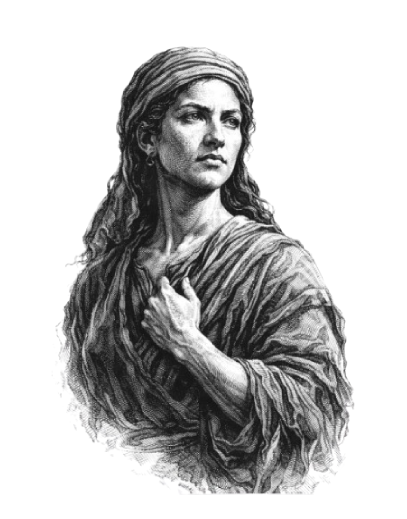
MIRIAM
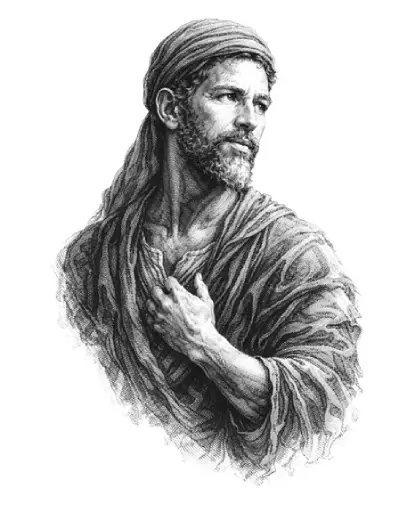
AARON
MOSES – Male baritone (Lead Soloist)
Vocal tone: John Legend meets Josh Groban.
Moses begins the piece alone, his voice quiet, reverent, and full of awe. His early lines should feel intimate, as if sung to the memory of the miracle still hanging in the air. As the song builds, his tone shifts into a fuller, gospel-soul vocal presence that carries the weight of gratitude and certainty. Moses leads every refrain and anchors each verse. His voice is the melody bearer, the emotional center, and the primary storyteller of Israel’s deliverance.
CHORUS ENSEMBLE – Mixed voices (Supporting and then Leading with Moses)
Vocal tone: unified, warm, rhythmic, expanding from soft hums to full anthem power.
The Ensemble enters gradually. Their first appearance is subtle, humlike, an echo beneath Moses’s early lines. As the song grows, they step into soft harmonies, then into shared melodic lines, and finally into bold, rhythmic declarations that surround Moses with communal strength.
Their tone must shift from gentle awe to confident praise. Functions include:
- harmonic support
- gospel-style “oh” and “ah” textures
- call-and-response answers
- full-bodied anthem refrains
The Ensemble should feel like a nation learning to sing together for the first time.
MIRIAM – Female alto (Secondary support within Ensemble)
Vocal tone: soulful, earth-rich, stabilizing.
While Miriam does not lead this number, her voice subtly reinforces Moses’s earliest lines with warm harmonics and anchoring tone. She becomes part of the Ensemble as it grows, her voice adding depth and emotional grounding, especially in the moments of communal harmony. Her presence symbolizes continuity: she who led the people in fear now stands singing in triumph.
AARON – Male tenor (Melodic support within Ensemble)
Vocal tone: clear, bright, supportive.
Aaron’s voice helps Moses bridge the transition between solo reverence and communal praise. He blends into early harmonies, then joins the Ensemble fully as the energy rises. His tenor timbre helps open the vertical harmonic space, giving the chorus a layered, uplifting sound.
FULL CONGREGATION (Final Chorus) – Entire cast
In the last refrain, every voice onstage must join. This is the sound of a nation singing its identity. The collective tone is bold, harmonious, rhythmic, and triumphant.
NO PHARAOH, NO GUARDS, NO ANTAGONISTIC VOICES
This song is pure celebration. Only Israel sings.
“The Song of Moses” Musical Style & Direction
“The Song of Moses” must feel like the first great anthem of a free people. The music begins as a breath of awe rising from stillness, then grows into a soaring, communal psalm of victory. This number is the emotional release after the terror of the sea, the moment when fear melts into faith and the people discover their collective voice.
The song opens with quiet cinematic scoring. Solo piano plays gentle, spacious chords. Soft strings create a trembling, reverent atmosphere. There must be a sense of holy quiet, as if the earth is still absorbing what has happened. Moses enters alone, his tone intimate, shaped by wonder. His early lines should float atop the orchestration with no percussion, allowing every word to feel sacred and personal.
As Moses moves into the first refrain, the instrumentation gently widens. The strings warm. A light pad swells beneath his voice. Subtle harmonics shimmer like the last traces of dawn touching the sea. The shift must feel natural, not dramatic, signaling that praise is waking inside him.
With the second refrain, the Ensemble begins to hum. This hum should feel like breath turning into music, the sound of a community remembering how to sing after centuries of silence. Their voices blend into the orchestration until melody and harmony become inseparable. As they step forward, rhythmic hand claps and soft tambourine textures enter, adding a heartbeat to the praise. The anthem begins to take shape.
The arrangement grows like a sunrise. Moses’s voice rises into a richer, gospel-soul tone, while strings and brass build in height and warmth. The Ensemble shifts from humming into open harmonies, then into full participation. Their voices should form a living wall of sound, wrapping Moses in communal celebration.
The bridge shifts into call-and-response. Moses calls with fervor and clarity, and the Ensemble answers with strength and unity. Rhythm intensifies, percussion thickens, and the choir’s response becomes the heartbeat of the song. This section must feel like the people discovering their identity: not slaves, but singers; not victims, but witnesses.
The final chorus lifts into full anthem mode. Percussion becomes more pronounced, claps synchronize, strings soar, and the Ensemble unleashes vibrant, confident harmonies. The moment should feel symphonic and gospel at once, triumph echoed through every voice. Moses’s lines must sit atop the sound with heroic certainty. This is the communal declaration of freedom.
The song concludes with a quiet coda. Instruments thin out. Choir softens into blended pads. Moses returns to a gentle melodic line, speaking the truth of the God who reigns forever. The ending must feel reverent and grateful, not explosive. It prepares the stage for the celebratory movement that will follow.
“The Song of Moses” must move the audience from awe to proclamation to communal triumph. It is the sound of deliverance given melody.
[INTRO – A single sustained orchestral chord holds. Soft piano arpeggios enter under a faint breeze. The Red Sea lies still behind them. Moses steps forward into a lone spotlight as the orchestra thins into reverent silence.]
[MOSES:]
[(sung – reverent, almost whispered, minimal vibrato)]
I saw the sea
Hold back its breath I saw the sky
Give room to death
I saw the fire
I saw the way
And I will sing To God today
[FIRST REFRAIN]
[(Quiet, lyrical. Light strings support the melody. No percussion. Ensemble breathes softly in the background, creating a warm halo beneath Moses’s voice.)]
I will sing unto the Lord
He has triumphed gloriously
The horse and the rider
Are buried in the sea
[MOSES:]
[(Sung – rising; strings swell, piano grows fuller, a gentle pad enters underneath.)]
The water stood
The earth was still
He fought with breath He moved with will
He didn’t march
He didn’t plead
He broke the wave He met the need
[SECOND REFRAIN]
[(Stronger, rhythmic. A soft rhythmic pulse begins in the strings. The
Ensemble hums in layered tones, gradually widening into harmony.)]
I will sing unto the Lord
He has triumphed gloriously
The horse and the rider He cast into the sea
[CHORUS ENSEMBLE:]
[(joins softly, layered “oh”s under Moses. Their sound should feel like dawn rising. Harmonies remain gentle, warm, understated.)]
[MOSES:]
[(sung – verse 3; vocal confidence grows. Light percussion enters in soft, heartbeat-like taps. Strings broaden into cinematic lift.)]
His right hand
Shakes the throne
He lifts the weak
He walks alone
He led us out
With holy flame
He led us here
To praise His name
[ENSEMBLE]
[(Now singing with Moses in harmony; voices fuller, standing side by side. Harmonies broaden into gospel-like warmth.)]
I will sing unto the Lord
He has triumphed gloriously
The horse and the rider He cast into the sea
[BRIDGE]
[(Call and response. Percussion expands with claps and steady drum hits. Energy builds measure by measure. Ensemble answers Moses with
power and clarity.)]
[MOSES (call):]
Who makes a way where none could be?
[CHORUS (response):]
The Lord of fire, the Lord of sea!
[MOSES (call):]
Who breaks the sword, but lifts the slave?
[CHORUS:]
The Lord who walks across the grave!
[MOSES (call):]
Who holds us up, when breath is gone?
[CHORUS:]
The Lord our strength, the Lord our song!
[FINAL CHORUS]
[(Full harmony, bold anthem energy. Drums, strings, and brass expand.
Ensemble sings in unified triumph. Moses leads with heightened soul and resonance. Lights intensify to a golden wash.)]
I will sing unto the Lord
He has triumphed gloriously
The horse and the rider
Are buried in the sea
He is holy, He is flame
He is just, forever the same
He brought us through
He set us free
I will sing – eternally
[CODA]
[(Moses solo, quietly. Percussion drops out. Strings thin to soft sustained chords. A gentle wind returns. Moses’s last line should feel intimate, reflective, and grateful.)]
He reigns forever
Over the sea
[End of lyrics. Orchestral swell fades into a warm cadence. The
Ensemble begins to move as the opening rhythm of “Dance of Deliverance” emerges.]